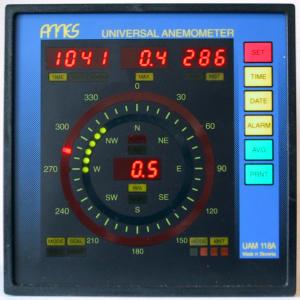
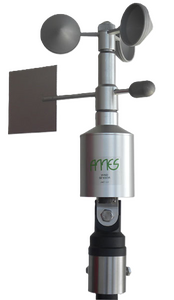
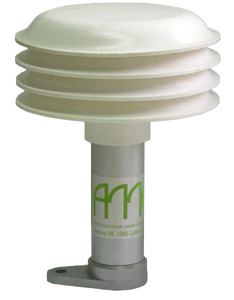
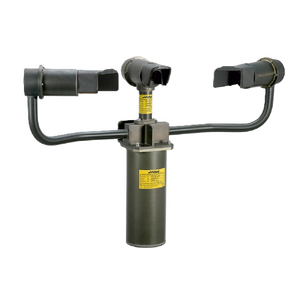
Automated airport weather observation system (AWOS) is significant for accurate weather forecasting and therefore safe and efficient aviation operations.
The main idea is the same as with ordinary meteorological systems:
an automated meteorological station collects data about weaher phenomena close to the ground and high in the air from wide range of sensors and instruments. This data are saved in a database and presented in various displays. But airport meteorological system is special for many reasons:
-
it uses a lot more sensors than ordinary meteorological system
-
sensors are necessary to be of the highest accuracy and quality
-
hardware, software and database need to be redundant
-
capturing of the data and reporting interval is more frequent
-
a lot of calculated data in airport meteorological systems is authentic
-
special observations are reported if weather conditions change rapidly or cross thresholds
-
there are far more various displays of data
-
it has an option for adding comments manually
-
it automatically generates and sends reports and has an option to do it manually
-
it show tendecy for several parameters and makes forecasting easier
Basic meteorological parameters in an airport meteorological system are:
-
wind speed and direction
-
visibility
-
temperature
-
dew point
-
icing
-
cloud coverage and ceiling
-
air pressure
-
precipitation detection and intensity
-
snow cower thickness